
Hazelnut creamer is a flavored coffee creamer designed to add a smooth, nutty taste to coffee, tea, and other beverages—often without needing extra sugar or syrups. It’s popular because it turns plain coffee into something richer and more indulgent in seconds.
But not all hazelnut creamers are the same. Ingredients, nutrition, and quality vary widely, which can affect both taste and health.
This guide explains what hazelnut creamer really is, who it’s best for, when to be cautious, and how to choose the best option for your daily routine.
Table of Contents
What Is Hazelnut Creamer?
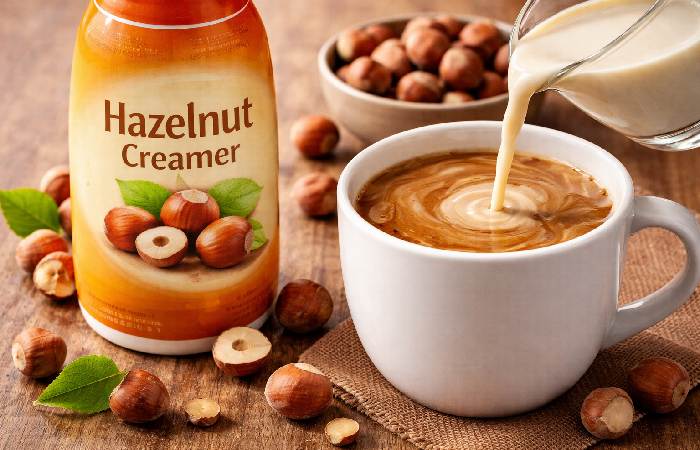
Hazelnut creamer is a liquid or powdered coffee additive that combines hazelnut flavoring with a creamy base, either dairy-based or plant-based.
Most hazelnut creamers contain:
- A fat source (milk, cream, coconut oil, or vegetable oils)
- Sweeteners (sugar or alternatives)
- Natural or artificial hazelnut flavor
- Emulsifiers and stabilizers for texture
Despite the name, many hazelnut creamers do not contain real hazelnuts. The flavor usually comes from food-grade flavor compounds.
Why People Search for Hazelnut Creamer
Most users searching this term are trying to:
- Understand what hazelnut creamer is made of
- Decide if it’s healthy or not
- Compare dairy vs non-dairy options
- Choose a better creamer for daily coffee
- Reduce sugar without losing flavor
This is a hybrid informational + light commercial intent query. People want clarity before choosing or switching products.
Types of Hazelnut Creamer
Dairy-Based Hazelnut Creamer
Made with milk or cream.
Pros
-
Creamier mouthfeel
-
Familiar taste
-
Mixes well with hot coffee
Cons
-
Contains lactose
-
Higher saturated fat
-
Shorter shelf life once opened
Non-Dairy Hazelnut Creamer
Usually made from almond, oat, soy, or coconut bases.
Pros
-
Lactose-free
-
Often vegan
-
Longer shelf life
Cons
-
May use vegetable oils
-
Flavor can taste more artificial
-
Texture varies by brand
Who Hazelnut Creamer Is For
Hazelnut creamer works well for:
- Coffee drinkers who dislike bitterness
- People reducing flavored syrups or sugar packets
- Those wanting consistent flavor without brewing changes
- Home barista beginners
- Office or on-the-go coffee setups
It’s especially popular with people who drink one to two cups of coffee per day and want convenience over customization.
Who Should Be Cautious or Avoid It
You may want to limit or avoid hazelnut creamer if you:
- Have nut allergies (even flavorings can be risky)
- Are managing blood sugar or insulin resistance
- Follow a low-processed or whole-foods diet
- Are sensitive to emulsifiers or gums
Always check labels carefully, especially if you have allergies or digestive sensitivities.
Common Ingredients Explained Simply
| Ingredient Type | Why It’s Used | What to Watch For |
|---|---|---|
| Sugar / Corn Syrup | Sweetness | High daily intake |
| Vegetable Oils | Creamy texture | Saturated fat load |
| Natural Flavors | Hazelnut taste | Rarely real nuts |
| Emulsifiers | Prevent separation | Digestive sensitivity |
| Preservatives | Shelf stability | Frequent consumption |
Many popular creamers prioritize shelf life and flavor consistency over nutrition.
Is Hazelnut Creamer Healthy?
The honest answer: it depends on the formulation and how often you use it.
Potential Benefits
- Can reduce added sugar if replacing syrups
- Improves coffee enjoyment, helping consistency
- Small servings add minimal calories
Potential Drawbacks
- Hidden sugars add up over time
- Saturated fats may affect heart health
- Ultra-processed ingredients in some brands
Nutrition experts generally suggest treating flavored creamers as a modifier, not a health food.
Hazelnut Creamer vs Hazelnut Syrup
| Feature | Hazelnut Creamer | Hazelnut Syrup |
|---|---|---|
| Texture | Creamy | Liquid sweetener |
| Sugar Content | Medium | High |
| Fat Content | Yes | No |
| Convenience | Very easy | Requires milk |
| Use Case | Everyday coffee | Café-style drinks |
Creamers simplify the process but trade off control over ingredients.
Common Myths vs Facts
Myth: Hazelnut creamer always contains real hazelnuts
Fact: Most use flavoring, not nuts
Myth: Non-dairy creamers are automatically healthier
Fact: Many contain refined oils and sugars
Myth: A splash doesn’t matter
Fact: Daily habits compound over time
How to Choose a Better Hazelnut Creamer
Use this quick checklist:
- ✔ Sugar under 5g per serving
- ✔ Short ingredient list
- ✔ No hydrogenated oils
- ✔ Clear allergen labeling
- ✔ Taste you enjoy without adding more
If you drink coffee daily, small improvements here can make a meaningful difference.
Practical Usage Tips
- Shake liquid creamers well before use
- Start with half the suggested serving
- Store refrigerated products tightly sealed
- Avoid overheating non-dairy creamers
- Pair with medium or dark roast coffee for balance
Real-World Use Scenarios
- Busy mornings: One pour replaces milk + sugar
- Office setups: Consistent flavor without barista tools
- Iced coffee: Blends better than syrups
- Occasional treat: Dessert-style coffee without baking
These are the reasons hazelnut creamer remains popular despite nutritional debates.
FAQs
What does hazelnut creamer taste like?
It has a mildly sweet, nutty flavor with a smooth, creamy finish that softens coffee bitterness.
Does hazelnut creamer contain nuts?
Usually no, but people with allergies should always check labels.
Is hazelnut creamer better than sugar?
It can be, if it helps reduce total sugar intake—but only in small amounts.
Can hazelnut creamer be used in tea or recipes?
Yes. It works in tea, oatmeal, and simple dessert recipes.
How long does hazelnut creamer last after opening?
Most liquid creamers last 1–2 weeks refrigerated once opened.