
Baking soda is one of those everyday items almost everyone has—but few fully understand. You’ll see it recommended for baking, cleaning, deodorizing, and even health remedies. Some of these uses are proven. Others are misunderstood or risky.
This guide breaks down what baking soda really does, who should use it, who should be careful, and how to use it correctly—without hype or fear-mongering.
Table of Contents
What Is Baking Soda? (Clear Definition)
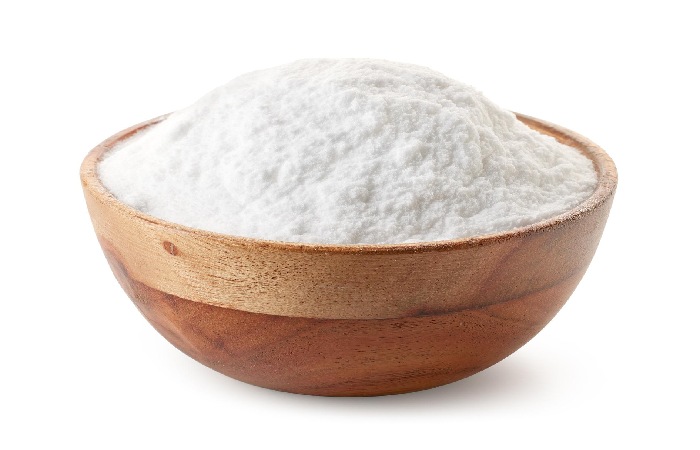
Baking soda, also known as sodium bicarbonate, is a naturally occurring alkaline compound. Chemically, it’s a weak base that reacts with acids to produce carbon dioxide gas.
That reaction is why baking soda:
-
Makes baked goods rise
-
Neutralizes odors
-
Helps break down grease and dirt
This simple chemistry explains most of its legitimate uses.
Why People Search for Baking Soda
Most users are looking for:
-
Safe household or kitchen uses
-
Health or digestion-related information
-
Natural cleaning alternatives
-
Clarification on viral tips and myths
The deeper motivation? Saving money, avoiding harsh chemicals, and using familiar products more effectively.
Common Uses of Baking Soda (That Actually Work)
1. Baking and Cooking
Baking soda is a leavening agent. When combined with acidic ingredients (like yogurt, lemon juice, vinegar, or cocoa), it releases carbon dioxide, helping dough rise.
Best for:
-
Cakes, muffins, pancakes
-
Soft cookies
-
Recipes with acidic components
Tip: Too much baking soda can leave a bitter or soapy taste.
2. Odor Control
Baking soda neutralizes odors instead of masking them.
Works well for:
-
Refrigerators
-
Shoe racks
-
Trash cans
-
Carpets (short-term use)
3. Cleaning and Degreasing
Its mild abrasiveness helps scrub surfaces without scratching most materials.
Effective on:
-
Kitchen sinks
-
Stovetops
-
Tiles and grout
-
Greasy pans
Avoid: Aluminum surfaces (can discolor).
4. Personal Care (With Limits)
Some people use baking soda for:
-
Deodorant substitute
-
Occasional teeth whitening
-
Foot soaks
These uses should be occasional, not daily, due to its abrasive and alkaline nature.
Who Baking Soda Is For
Baking soda is useful if you:
-
Cook or bake regularly
-
Want a low-cost, low-toxicity cleaner
-
Need quick odor control
-
Prefer minimal household products
It’s especially popular among:
-
Home cooks
-
Budget-conscious households
-
People avoiding strong chemical cleaners
Who Should Be Careful or Avoid Certain Uses
You should be cautious if you:
-
Have kidney disease or heart conditions
-
Are on a low-sodium diet
-
Have sensitive skin or gums
-
Are considering internal (medicinal) use
Important: Regular internal consumption without medical guidance is not recommended.
Health Claims: Benefits vs Reality
Potential Benefits (Limited & Context-Specific)
-
Temporary relief from acid indigestion (antacid use)
-
Alkalizing agent in medical settings (doctor-supervised only)
Risks and Side Effects
-
High sodium intake
-
Electrolyte imbalance
-
Stomach rupture in rare overdose cases
-
Tooth enamel erosion with frequent oral use
Medical literature from the last few years continues to stress moderation and medical supervision for internal use.
Common Myths About Baking Soda
Myth 1: Baking soda cures serious diseases
Fact: No credible evidence supports this.
Myth 2: Daily baking soda water is safe
Fact: Long-term daily use can be harmful.
Myth 3: It’s safe for all skin types
Fact: It can disrupt the skin’s natural pH.
Myth 4: More is better
Fact: Small amounts are effective; excess causes problems.
How to Use Baking Soda Safely (Practical Guide)
For Baking
-
Follow recipe measurements exactly
-
Pair with an acidic ingredient
For Cleaning
-
Mix with water to form a paste
-
Test on a small area first
For Odors
-
Use dry baking soda in open containers
-
Replace every 30 days
For Personal Care
-
Use sparingly
-
Rinse thoroughly
-
Avoid daily use
Baking Soda vs Baking Powder (Quick Comparison)
| Feature | Baking Soda | Baking Powder |
|---|---|---|
| Needs acid | Yes | No |
| Strength | Stronger | Milder |
| Best for | Acidic recipes | Neutral recipes |
Storage and Shelf Life
-
Keep in an airtight container
-
Store in a cool, dry place
-
Replace every 6–12 months for baking
Test freshness: Add vinegar—if it fizzes strongly, it’s active.
FAQs
Is baking soda safe to eat?
Yes, in small amounts used in cooking or as an occasional antacid, but not for daily consumption.
Can baking soda whiten teeth?
It can remove surface stains, but frequent use may damage enamel.
Is baking soda the same as baking powder?
No. Baking soda needs an acid to work; baking powder already contains one.
Does baking soda kill bacteria?
It has mild antimicrobial properties but is not a disinfectant.
Can baking soda be used on skin?
Occasionally, but frequent use can irritate or dry the skin.